
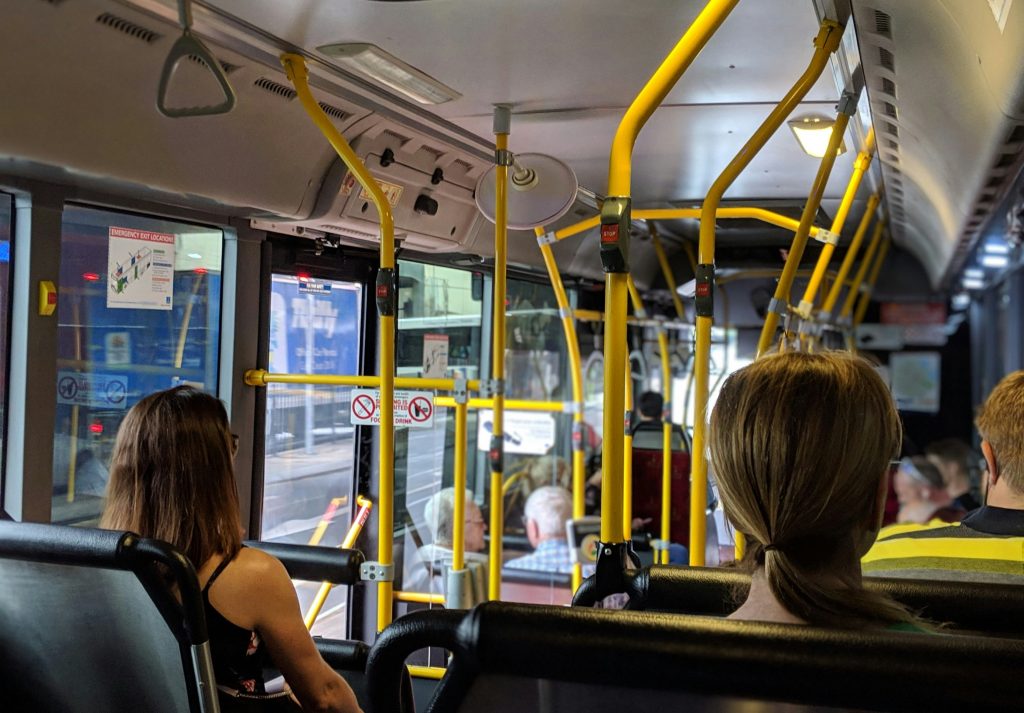
Finding a train connection, buying a ticket online, or understanding a delay notice is part of everyday life for many people. For adult learners with a migrant background, however, these tasks can be challenging, especially when the information is only available digitally and in a new language.
Public transport is now closely connected to digital services. Timetables, ticket purchases, payment methods, QR codes, route planning, and service updates are often handled through apps and websites. This makes travel faster and more flexible, but it also means that users need both language and digital skills to move around independently.
That is exactly where the eMATES module “Utilising Public Transport and Mobility Services” comes in. The module supports adult learners in managing everyday mobility situations with more confidence. It helps them search for routes, compare travel options, buy tickets online, understand service updates, and respond appropriately when something goes wrong.
The module also focuses on the practical language needed to use public transport in real life. Learners work with everyday transport vocabulary, digital ticket forms, announcements, confirmation messages, and common service notices. They practise understanding information in transport apps and on websites, and they learn how to interpret key details such as departure times, platform changes, delays, cancellations, and QR-code tickets.
At A1 level, the module introduces the most basic aspects of public transport use. Learners become familiar with simple travel vocabulary and practise finding essential information in timetables and transport apps. They also learn how to plan a route, buy a ticket online, use basic digital payment options, and recognise short service messages.
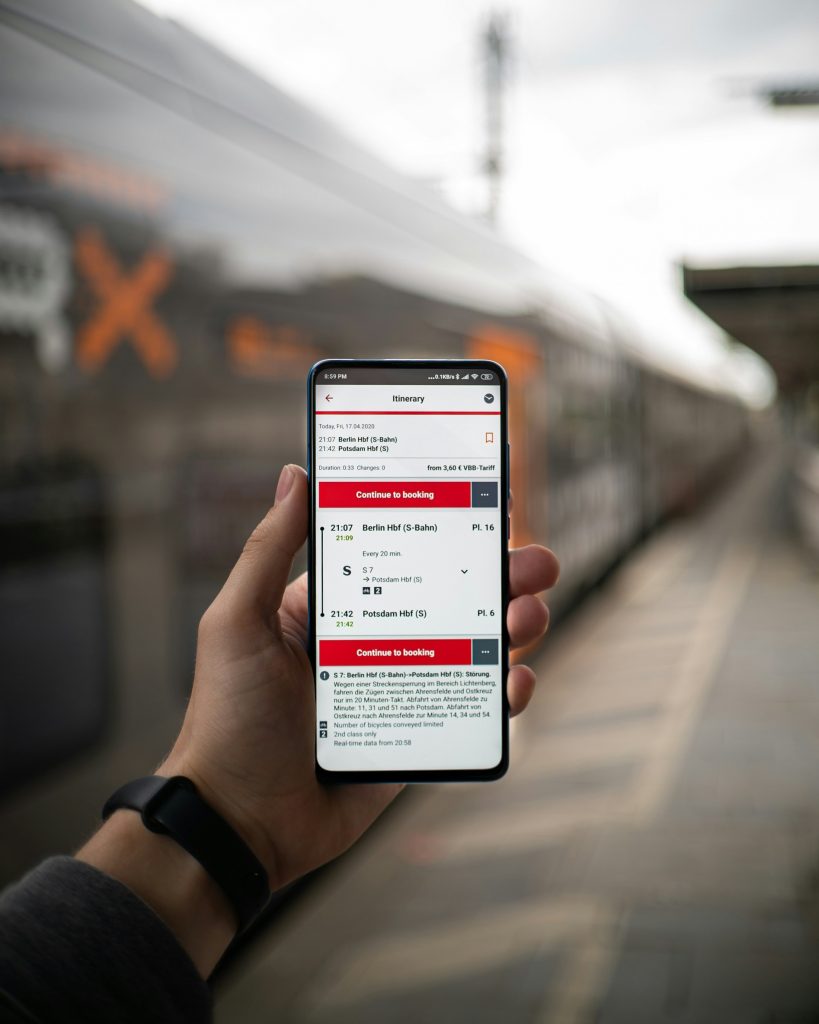
At A2 level, learners build on this foundation and begin to use public transport more independently. They compare ticket types, understand short notices and simple updates, fill in digital ticket forms, and ask questions about travel details. They also practise writing short messages and reading straightforward instructions on how to use tickets or apps correctly.
At B1 level, the focus shifts to more complex and realistic travel situations. Learners work with longer service messages, detailed journey information, and more advanced digital processes. They learn how to describe problems with tickets or apps, ask for help, request clarification, and communicate more clearly when plans change or systems fail.
The module goes beyond vocabulary and grammar. It connects language learning with digital participation in everyday life and helps learners gain the confidence to navigate transport systems more independently. In this way, public transport becomes not just a means of getting from one place to another, but also a practical space for building autonomy, mobility, and social inclusion.